

One hundred applications. That's easily two full weeks of effort if you're filling out forms manually. And for many job seekers, it still produces nothing but silence.
So is it worth it? The honest answer is: it depends entirely on how you're doing it.
The raw volume isn't what drives results. The conversion rate is. And only 0.1% to 2% of cold online applications result in job offers. That math is brutal on its own. But it changes dramatically based on your approach, your targeting, and the channels you use.
What Actually Happens After 100 Applications

The data tells a nuanced story that most people miss.
Job seekers who apply to 81 or more positions have an 85.2% chance of securing at least one interview. But the most favorable range appears to be 21 to 80 applications, yielding an 81.8% chance of obtaining at least one interview and maximizing the likelihood of converting that interview into an offer.
Read that again. Going from 21-80 applications to 80+ gives you only a marginal improvement in interviews, but reduces your offer conversion rate. Volume past a point starts working against you.
Beyond about 80 applications, success rates start declining. That's your signal that volume isn't the answer.
Why? Because at that scale, shortcuts become inevitable. Resumes stop being tailored. Cover letters become templates with company names swapped out. Research goes out the window. And hiring managers spot generic applications instantly.
The uncomfortable math:
| Applications Sent | Interview Probability | Offer Likelihood |
|---|---|---|
| 1-10 | 61.7% | Highest per application |
| 21-80 | 81.8% | Optimal range |
| 81+ | 85.2% | Lower conversion to offer |
When 100 Applications Make Sense
There are scenarios where pushing past 80 applications is genuinely warranted.
Highly competitive fields like software engineering, finance, and consulting operate at higher volumes by default. CS and tech job seekers regularly submit 100 to 300+ applications before landing an offer, because the competition density in those fields demands it.
If you're early in your career, changing industries, or applying without referrals into competitive markets, the volume threshold is simply higher. That's not a character flaw. It's a structural reality.
The key distinction is targeted volume versus spray-and-pray volume. Sending 100 tailored applications to roles you're genuinely qualified for is a fundamentally different activity from sending 100 identical resumes to anything with a relevant keyword in the title.
What Makes 100 Applications Actually Work
Strategic, targeted applications convert at 3x higher rates than mass approaches. That's the variable that determines whether 100 applications is a smart move or wasted effort.
Three things separate high-performing high-volume searches from ones that burn out:
Targeting before volume. Know exactly which role types and which companies you're pursuing. Sending 100 applications across a focused target set is powerful. Sending 100 applications to anything loosely matching your background is noise.
Tracking ruthlessly. Track your application-to-interview ratio weekly. A healthy ratio is at least 1-2 interviews per 20 targeted applications. If your ratio is much lower, stop applying and fix your approach first. Volume without feedback loops is just expensive guessing.
Mixing channels. One referral is worth 40 cold applications. Spending 80% of your time networking and only 20% on direct applications is the ratio that works. Purely cold online applications, no matter how many, hit a ceiling that referrals don't.
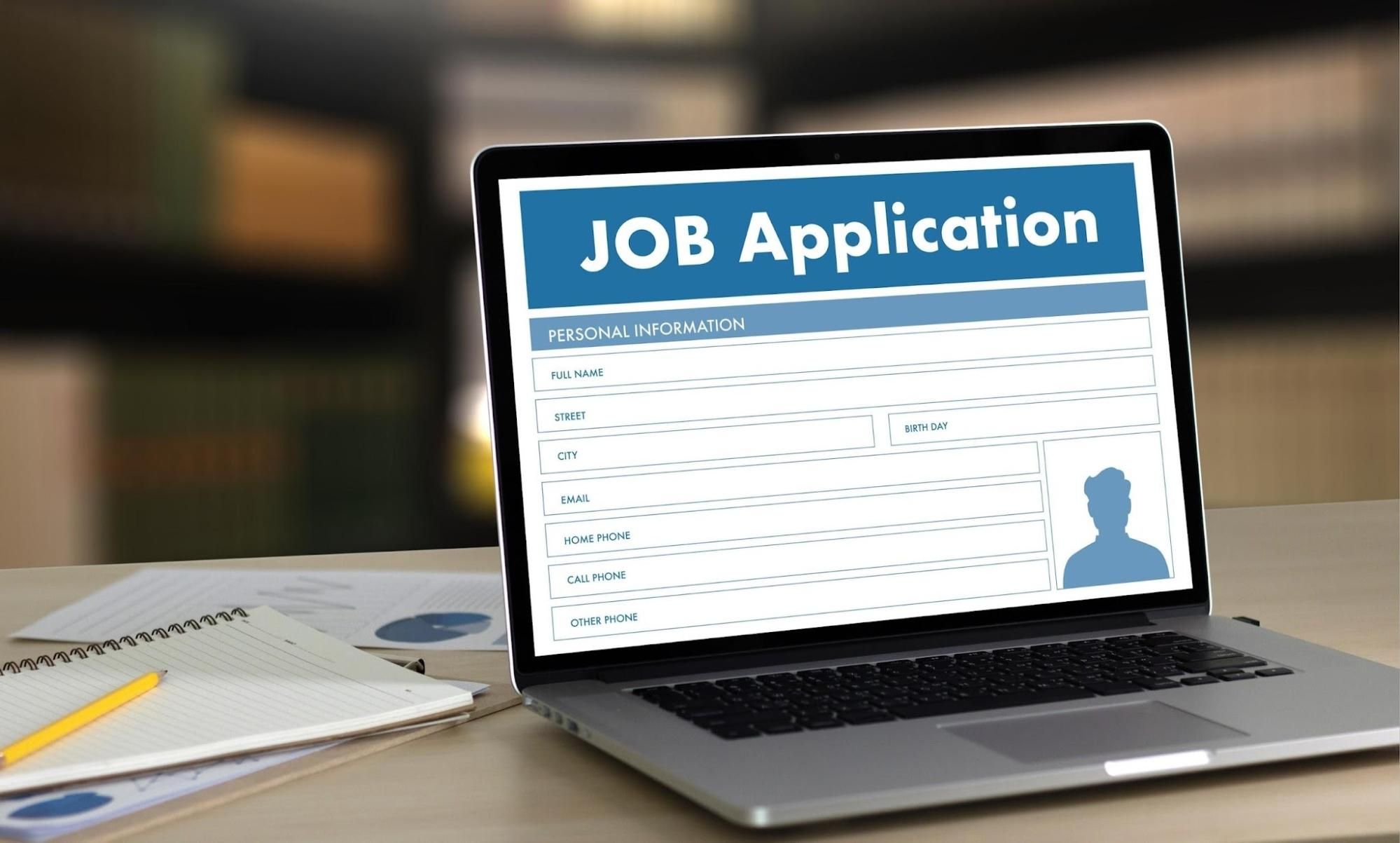
This is where Zapply's free Chrome extension becomes genuinely valuable. When you're running a targeted 80-100 application search, manually retyping the same profile information into every form wastes hours that should go into research, tailoring, and networking. Zapply autofills every field in one click, so your energy goes toward the decisions that move your search forward, not the repetition that doesn't.
Apply Smarter at Scale with Zapply
Applying to 100 jobs is worth it under the right conditions. Blindly hitting submit 100 times is not.
Key takeaways:
The 21-80 application range yields the best offer conversion rates
Beyond 80 applications, interview rates improve only slightly while offer rates drop
Quality degrades at scale unless you have a system to maintain tailoring
Track your application-to-interview ratio weekly; below 1-2 per 20 means fix first, apply later
Referrals convert at 30% versus 0.1-2% for cold applications; volume alone can't overcome that gap
Autofill tools protect quality at volume by removing the repetitive grind from the equation
Zapply's curated job board gives you real, verified listings so none of your 100 applications land on ghost jobs. And Zapply's free Chrome extension autofills every application in one click, so hitting 80-100 targeted submissions doesn't require two weeks of form-filling. Download it free and apply with intention.