

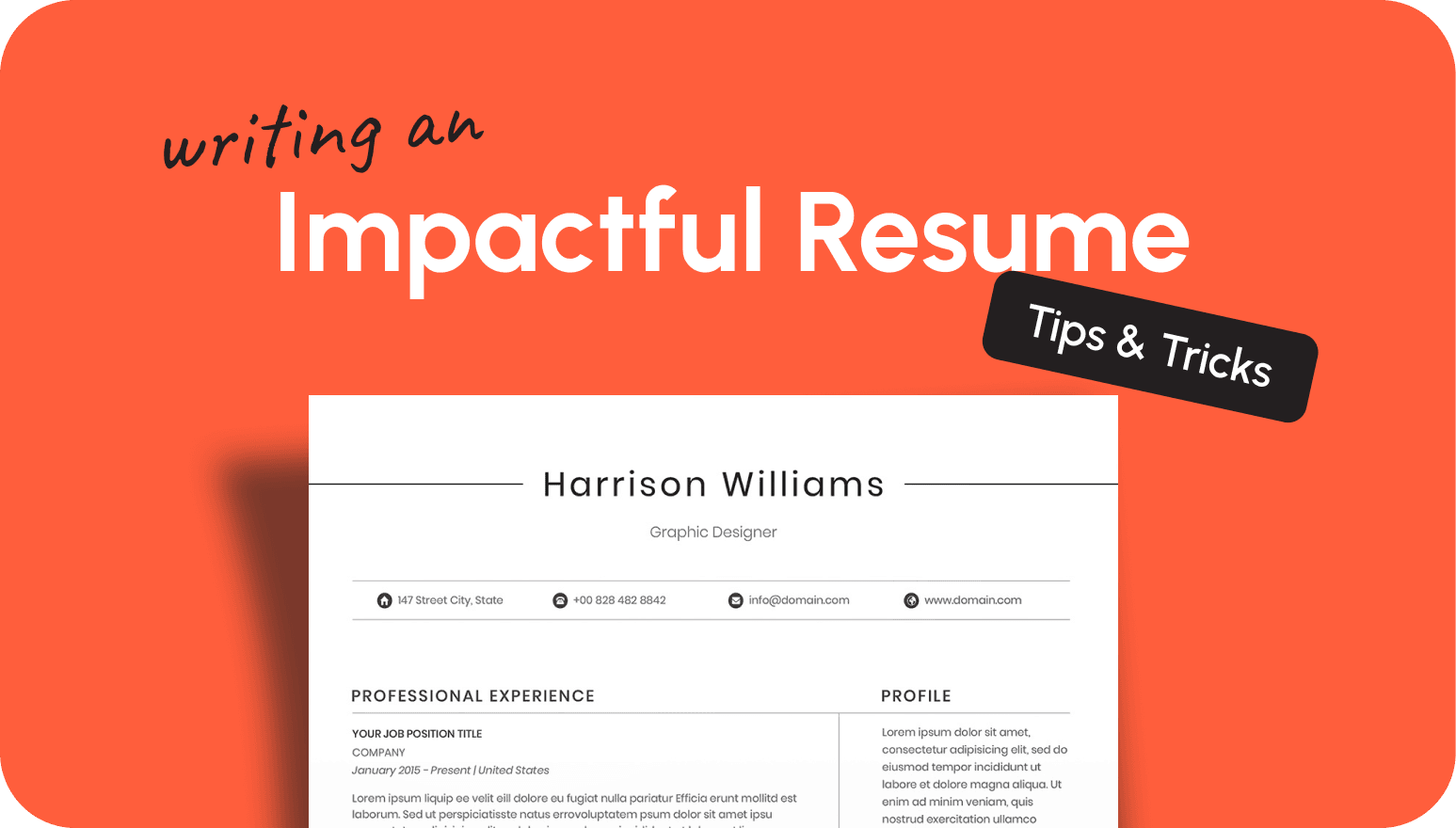
Why Resume Writing is Crucial - take the lead in secs!
A resume is more than just a document—it's your professional marketing tool. In a competitive job market, it’s your chance to stand out. Recruiters often skim resumes in seconds, this is why it’s vital to focus on clarity, relevance, and impact. A strong resume not only shows that you understand the role but have the experience to excel in it. So, let’s get you ready to turn that paper into a power move!
Let’s break down the key components that should be included in your resume.
1. Contact Information
Your contact information is the first thing employers will see, so it must be clear and easily visible. Include:
- Full name
- Phone number
- Professional email address (preferably your name or variation of it)
- LinkedIn profile URL (optional but recommended)
- Location (city and state is generally enough)
2. Professional Summary
This section should be a brief statement (2–3 lines) summarizing your qualifications, key strengths, and what you aim to achieve in the role you're applying for. Tailor this to the specific job. Mention your years of experience, relevant expertise, and what sets you apart from other candidates. Example: “Experienced digital marketing professional with over 6 years of expertise in social media strategy, SEO, and content creation. Adept at increasing brand visibility and driving revenue growth through innovative campaigns and data-driven decisions.”
3. Work Experience
Employers want to know how your previous roles have prepared you for the job you’re applying for.
- List jobs in reverse chronological order, starting with your most recent position.
- For each role, include the company name, job title, dates of employment, and location.
- Use bullet points to describe your responsibilities and accomplishments. Focus on achievements rather than just tasks. Example: Marketing Manager | ABC Corp | Jan 2020 – Present | New York, NY - Led a team of 5 marketers to design and implement a content strategy that resulted in a 30% increase in organic traffic. - Managed a $500,000 marketing budget, optimizing allocation to maximize ROI across digital channels. -Spearheaded a successful email campaign that improved customer engagement by 20%.
4. Education
Include your highest level of education, the name of the institution, and your graduation date. If you have certifications or ongoing education, list them in this section as well. For new graduates, you can place this section at the top of your resume. Example: B.A. in Marketing | University of California, Los Angeles | May 2019
5. Skills and Competencies
Skills are essential to making your resume more appealing. Use a combination of hard and soft skills that align with the job you're applying for. Hard skills are technical abilities, such as software knowledge or certifications, while soft skills include interpersonal abilities, like communication or teamwork. Examples of Hard Skills: - SEO optimization - Data analysis - CRM software - Adobe Creative Suite
Examples of Soft Skills: - Time management - Problem-solving - Leadership - Collaboration
7. Certifications and Training
If you have relevant certifications or have completed any special training courses, this section should highlight them. This is especially important in fields like IT, project management, or marketing, where certifications can set you apart. Example: Google Analytics Certified | HubSpot Inbound Marketing Certification | Project Management Professional (PMP)
8. Additional Sections (Optional)
Depending on your field, you may want to add additional sections such as:
- Awards and Honors: Highlight any professional accolades or recognition.
- Publications: If you’ve written articles, books, or contributed to industry journals, mention them here.
- Volunteer Work: If relevant to the position, listing volunteer experience can show commitment, leadership, and diverse skills.
- Languages: If you speak multiple languages, include this section, especially if the job requires communication with global teams or clients.
Don’t Let These Resume Mistakes Hold You Back!
Even small mistakes can cost you an opportunity, so it’s essential to avoid common errors. Here are some common pitfalls to watch out for:
- Avoid typos and grammatical errors as these give a message of carelessness..
- Never use an unprofessional email address.
- Your resume should have a consistent layout. For example, if you use bullet points for one section, use them throughout the document.
- Tailor your resume for each job application by emphasizing the relevant skills and experience that align with the specific job description.
How to Create a Resume That Stands Out
Now that you understand the components of a strong resume and the mistakes to avoid, let’s focus on how to make your resume truly stand out.
1. Show Results with Numbers Quantifying your achievements. For example, instead of saying “increased sales,” say “increased sales by 20% within 6 months.”
2. Use Action Verbs Action verbs like “led,” “developed,” and “streamlined” are powerful and show that you are proactive.
3. Keep it Concise Employers don’t have time to read long resumes. Keep it to one page (for under 10 years of experience) or two pages (for more experience). Focus on the most relevant information.
4. Make it Visually Appealing Your resume’s appearance matters. Use a clean, easy-to-read layout with plenty of white space. Avoid using excessive graphics or designs that can distract from the content.
Conclusion
Creating a standout resume involves much more than simply listing your work experience. It’s about presenting your achievements, skills, and qualifications in a way that demonstrates your value to potential employers. By tailoring your resume to each job, avoiding common mistakes, and following best practices for formatting and content, you’ll be well on your way to landing your next great opportunity.
Add Your Resume to the Zapply Extension
Now that you have learned resume formatting ways, apply faster to jobs with our extension that helps you autofill your job applications in seconds.